
 Italy
Italy 


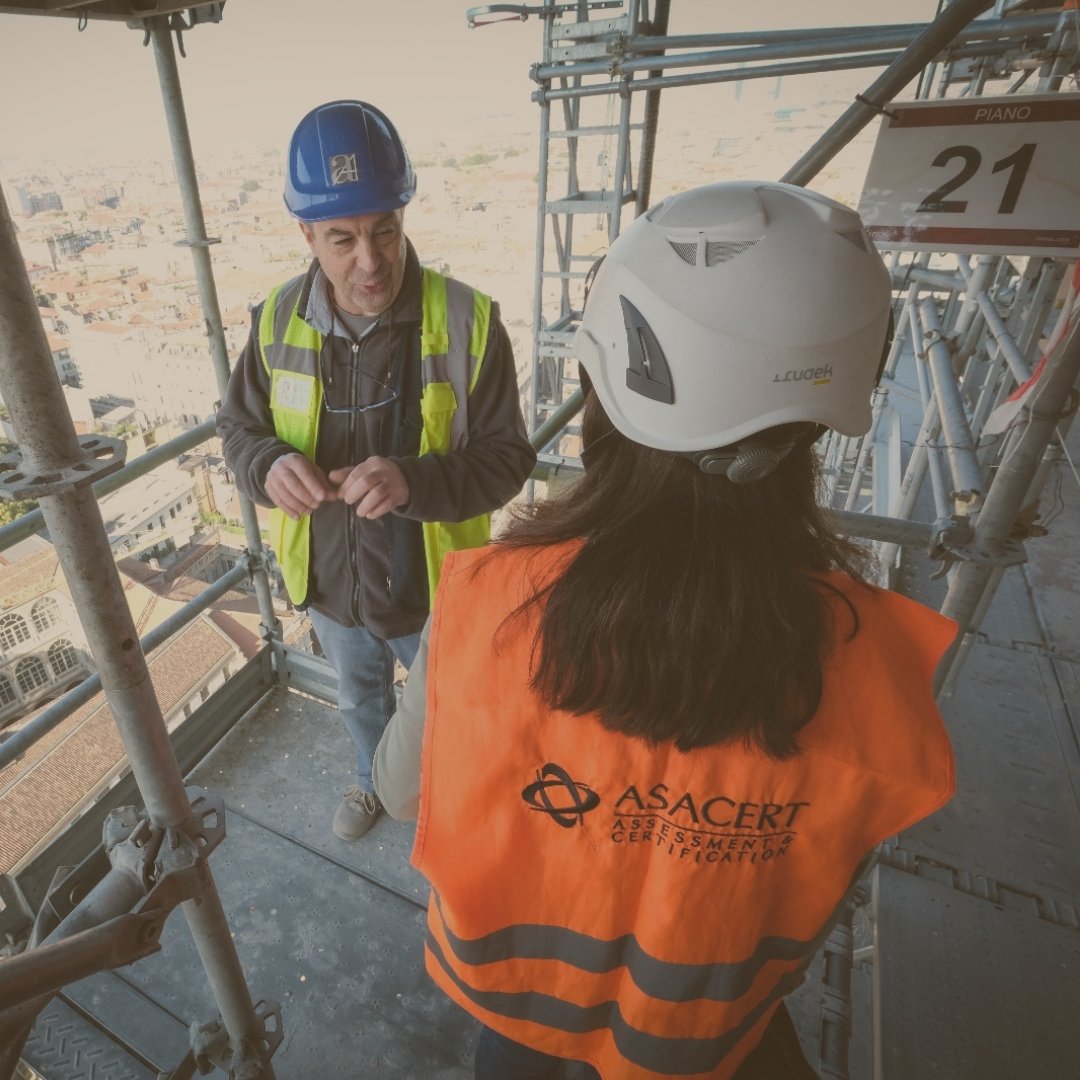
Project Verification for Validation Purposes
Design Verification for the purpose of validation is a necessary activity for design approval, preparatory to the execution process of the Work.
Technical Control During Construction-Phase
In-process technical control is an inspection service that aims to provide field monitoring aimed at verifying the work’s compliance with the criteria of good workmanship…

Project E Technical Monitoring
The Monitoring activity carried out by ASACERT is a technical verification, aimed at detecting anomalies and critical issues affecting the design and implementation of a…
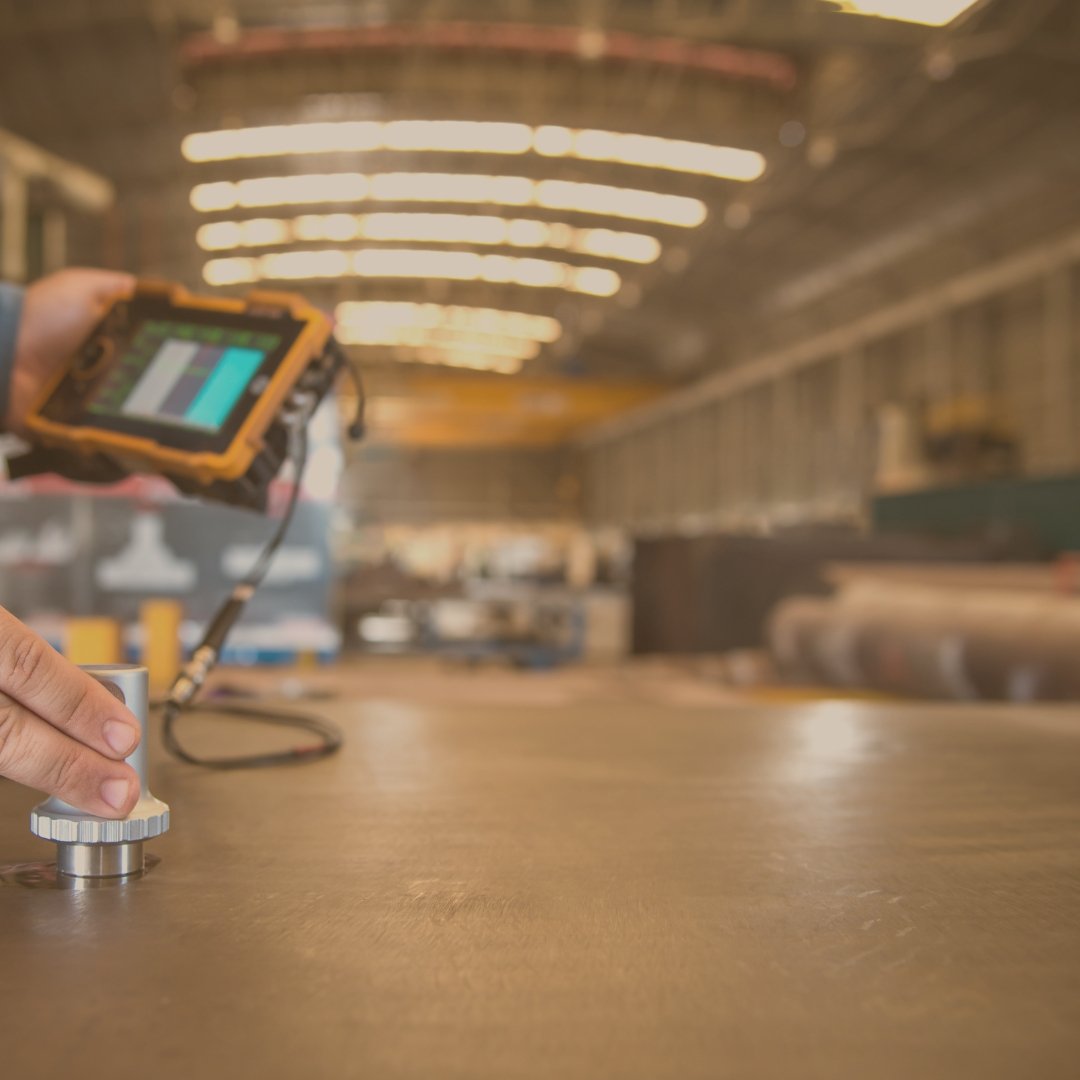
Non-destructive Testing
ASACERT performs nondestructive testing at different levels to offer a comprehensive and efficient inspection service, keeping up with the latest investigation technologies on the market.

Real Estate Due Diligence
Real Estate Due Diligence is a technical verification activity that takes the form of a 360-degree assessment of the condition of a Property or real…
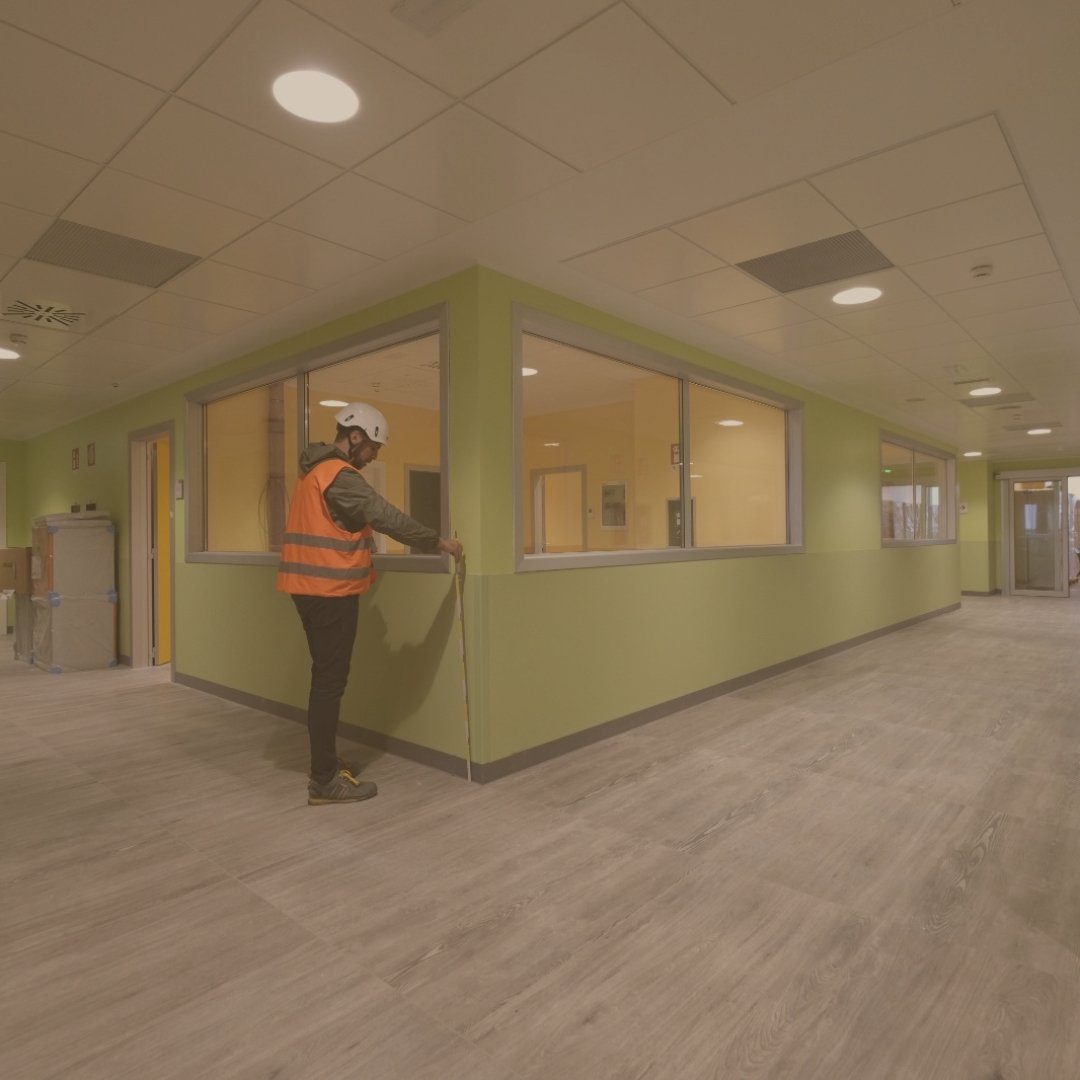
Verifing Preservation State of Civil Works
Structural and architectural diagnostics of properties, thanks to the application of increasingly innovative technologies, has become a key tool for the management of multiple types…
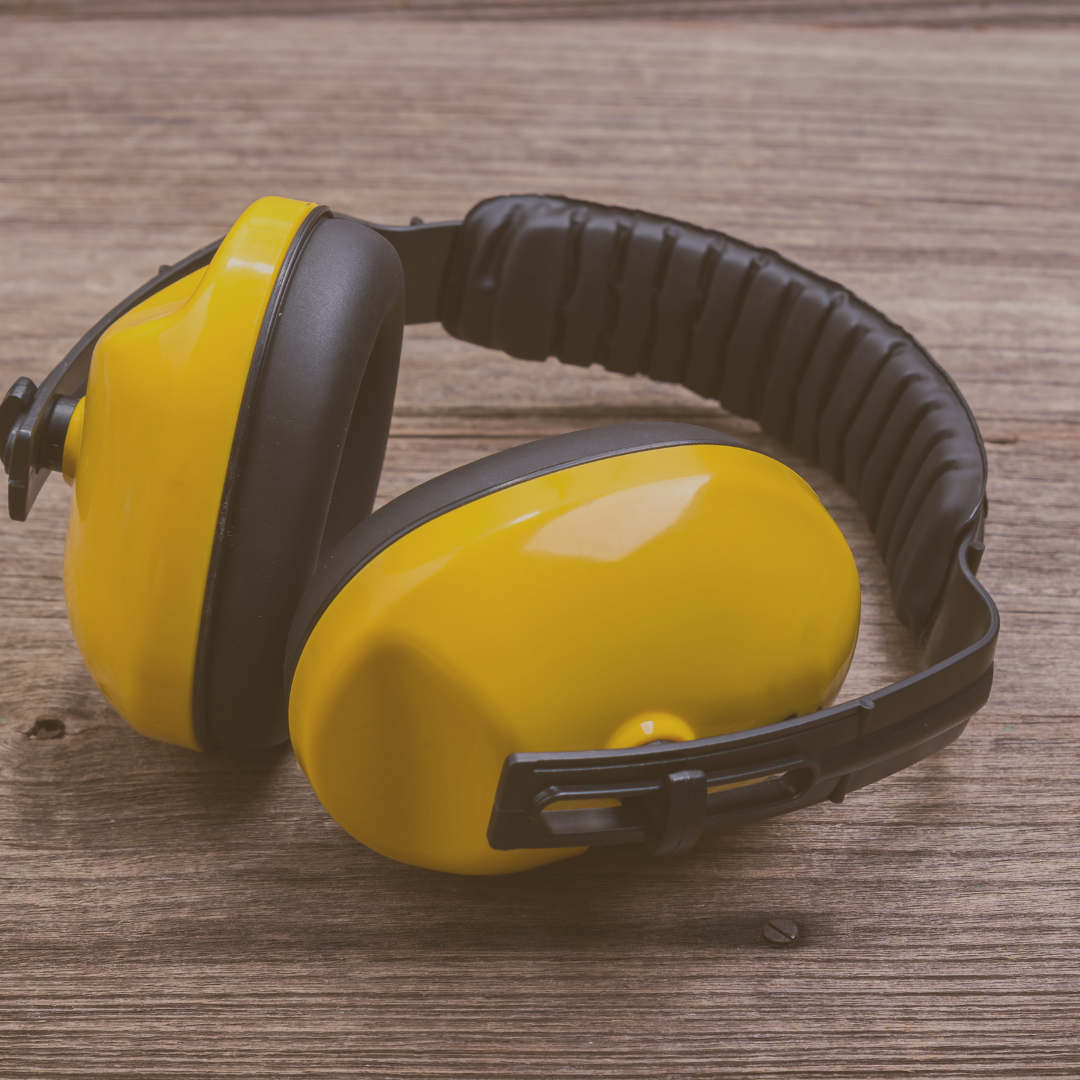
Building Acoustic Assessment
Civil and industrial construction works must be designed and built so that the noise to which occupants and people located in the vicinity are subjected…

Commissioning Quality control
Quality Control or Commissioning is concerned with the process of managing a project through the service of documentary and structural verification that certifies the conformity…
GBC HOME® Protocol Certification
The GBC HOME® rating system is a tool that targets the residential market by promoting healthfulness, durability, affordability and environmental best practices in building design…
GBC Historic Building
GBC Historic Building® is the voluntary certification protocol of the level of environmental sustainability of conservation, recovery and integration interventions of historical artefacts in respect…
GBC Quartieri
GBC Quartieri® is the certification protocol developed by GBC Italia for projects in areas subject to redevelopment or new expansions, which promote the environmental sustainability…

LEED® Systems
The LEED® – Leadership in Energy and Environmental Design Certification – certification scheme is a rating system for the design, construction and management of buildings…

Energy Performance Certificate (APE)
The APE (Energy Performance Certificate) is the document that describes the energy characteristics of a building, house or apartment.

Energy Audits
Directive (EU) 2018/2002 defines Energy Audit as “a systematic procedure aimed at obtaining adequate knowledge of the energy consumption profile of an industrial or commercial…

Minimum Environmental Criteria (CAM)
Compliance with CAM is a prerequisite for access to public tenders. With the Decree CAM Construction June 23, 2022 many new features are introduced.

CRADLE 2 CRADLE
The Cradle to Cradle Certified™ Products Program (C2C) certification, or “from cradle to cradle”, embraces the concept of circular economy and aims to preserve the…

Environmental Impact Assessment (EIA)
The European EIA Directive, together with the Single European Act of 1986 and the Maastricht Treaty of 1992, form the pillars of European environmental policy…

WELL
“Healthier, happier people perform better”, or “Healthier and happier people work better”, the claim chosen for WELL by the International Well Building Institute (IWBI), which…

Thermographic verification
Material lifting, material lifting equipment, non-hand operated, and centrifugal force hydroextractors Transferable Crane – Transferable material lifting equipment with a capacity of more than 200Kg…
Periodic inspections of equipment
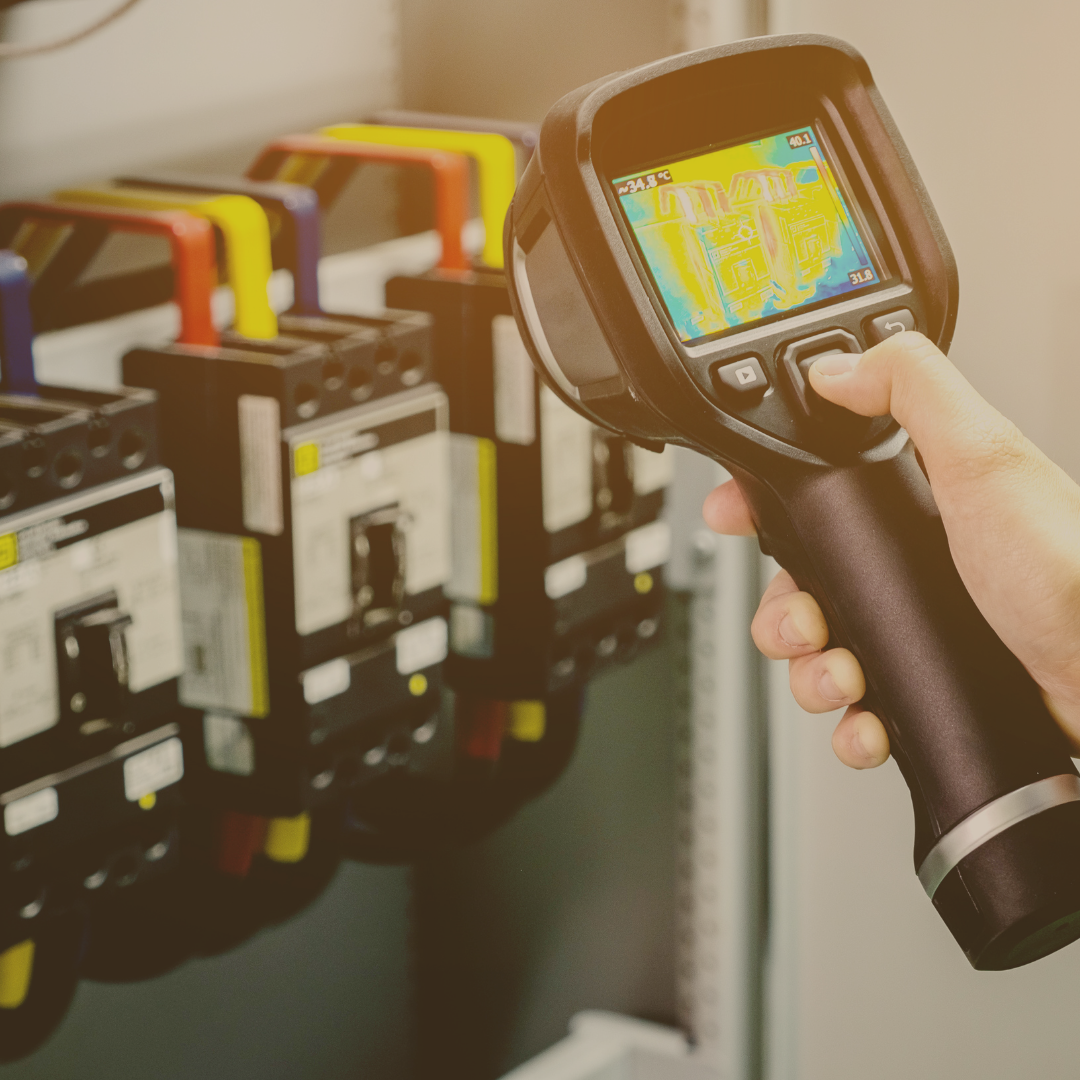
Thermographic verification is a type of nondestructive inspection used to perform inspections and investigations of both building/infrastructure systems and facilities.

Verification Of Electrical Grounding Systems
The grounding check is a mandatory periodic check required by Presidential Decree Oct. 22, 2001 no. 462, which requires all employers with at least one…